
Depth Notes
Reflections on psychiatry, identity, cultural resilience,
and the interior lives of high-achieving women.
It begins with a guide
DepthWorks Psychiatry integrates narrative reflection, visual awareness, and nervous-system-informed care to help high-achieving women understand not only their symptoms, but the identity structures beneath them.
These guides offer a glimpse into that approach.
Not therapy. Not diagnosis.
But a structured opportunity to see yourself with greater clarity.
The Identity Reflection Guide explores the survival roles beneath anxiety, perfectionism, and hyper-responsibility.
The Visual–Narrative Reset uses photography and story to illuminate how you function under pressure, and who you may be ready to become.
Begin with either.
Each is a thoughtful entry point into the DepthWorks lens.

The Inheritance: How Intergenerational Trauma and Epigenetics Shape Mental Health in Diasporic Bodies
Before I ever knew the word trauma,
I had already inherited its rhythm.
Not as a story told, but as a feeling in my body.
Tension in my jaw.
Fluttering in my chest.
A deep, unnameable need to stay prepared.
What We Carry Without Speaking
In many families, especially across the Caribbean and African diasporas, trauma isn’t passed down in conversation.
It lives in behavior.
In unspoken fears.
In hypervigilance so familiar it feels like personality.
This is the inheritance no one talks about:
The inability to rest without guilt
The tendency to over-function as a form of safety
The panic that arises not from the present, but from memory stored in the body
This is how the body keeps score, even when the mind doesn’t remember.
Epigenetics: When History Becomes Biology
Modern science is finally catching up to ancestral wisdom. Echoing what our ancestors have always known, that memory lives in the blood.
Epigenetics shows us that trauma can chemically alter gene expression, shaping not only our emotional states but our physiology. Imprinting itself not just in our stories, but in our hormones, our sleep cycles, our children.
Much of what’s labeled as anxiety in diaspora communities is actually inherited hypervigilance. It’s not a disorder. It’s an echo of survival.”
That “high-functioning anxiety”? It may not be yours. It may be your great-grandmother’s silent panic when crossing an ocean without a name.
Symptoms we treat as dysfunction may actually be the sacred codes of survival.
Encoded through:
Cortisol dysregulation
Hyperactive amygdala
Stress-sensitized gene expression
These patterns don’t mean we’re broken.
They mean we’re carrying history.
Yet we still treat them as behavioral flaws.
What Psychiatry Often Misses
Traditional psychiatry loves a clear timeline. It wants a tidy cause, a trigger, a pill.
What happened to you?
When did it begin?
How severe is it?
But inherited trauma defies clean timelines. It loops. It lingers. It lies dormant in the body until something, a scent, a season, a silence, awakens it.
When symptoms resist standard treatment, we must ask, are we medicating one person’s pain… or a lineage’s silence?
Is this resistance?
Or is this remembrance?Is this patient “non-compliant”?
Or are they carrying centuries of survival on their back?
There is a significant pause that is necessary before prescribing.
To explore whether the presenting symptoms are echoes of:
Displacement
Suppressed grief
Intergenerational rage
Survival patterns embedded in DNA
The Brain as Storykeeper
Even when the conscious mind forgets, the brain remembers.
Neuroimaging studies show reduced hippocampal volume and increased amygdala activity in those with complex trauma histories, even when trauma is not consciously recalled.
This explains why so many feel unsafe in safe environments.
Why joy feels foreign.
Why peace feels suspicious.
This is why the healing process must be embodied, and that it isn’t always about retelling the story. Sometimes, it’s about retraining the body.
Clinical Practices That Honor the Body’s Memory
When trauma lives in the nervous system, we must offer the body new rhythms before we demand the full story.
Try:
Weighted blankets or body wraps
Eye Movement Desensitization and Reprocessing (EMDR) for non-verbal memory release
Vagal nerve activation (humming, breathwork, cold water exposure)
Gentle ritual (e.g., candle lighting, ancestor honoring, movement)
Let the body tell the story, gently, without forcing the words.
Narrative Psychiatry: Ancestral Ghosts in the Waiting Room
Many people carry more than their own stories.
Grandmothers who never cried
Fathers who believed rest was weakness
An uncle exiled for being “too much”
Symptoms are often the aftershock of what wasn’t grieved, spoken, or witnessed.
Ask:
“Who are you carrying?”
“Whose fear are you still obeying?”
“Whose voice do you silence with your achievements?”
Therapeutic Tools from the DepthWorks Approach
Socratic Reframing
“I’m too sensitive.”
→ What did that belief once protect you from?
“I can’t rest.”
→ What were you taught about rest in your family?
“I’m always bracing for something bad.”
→ Who had to sacrifice dreaming so you could survive?
Symbolic Practices
The Sacred Family Timeline
Draw a silhouette.
Map emotional imprints across your lineage.
Name what’s yours. Release what isn’t.
The Ancestor Altar (for the Unnamed)
Gather sacred objects:
A stone for unexpressed grief
A feather for stolen freedom
A candle for all that was never said
Write them a blessing:
What healing do you wish someone you loved had known?
And how can you live it now?
Reflective Questions to Guide Your Path
What symptom in your life is actually a memory your body couldn’t digest?
What unspoken rule are you still obeying, without question?
Whose fear are you still protecting?
What would healing look like if it included your grandmother’s silence too?
Closing Wisdom
“This is not just psychiatry. This is ancestral midwifery.
We are birthing new stories from the bones of unspoken ones.
To do this work well is to sit at the sacred crossroads of biology and biography, where the body remembers what the soul tried to forget.


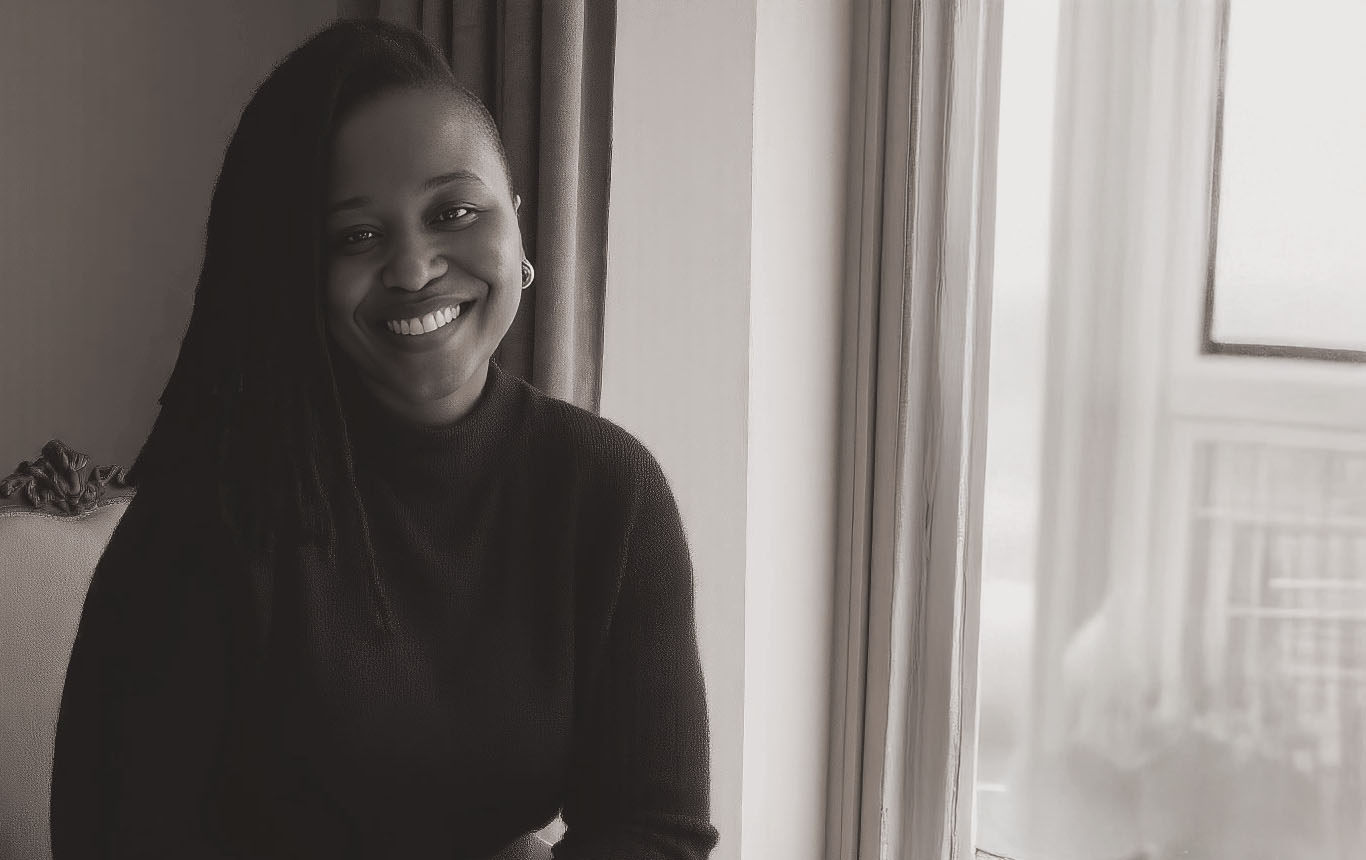
ABOUT ME
I’m Patria Alexander, PMHNP-BC, an integrative psychiatric nurse practitioner - providing psychiatric care with depth.
My work honors both science and story. I believe psychiatric care should respect your culture, your legacy, and the responsibilities you carry, not reduce you to a diagnosis.
In our work together, we move beyond symptom management to restore clarity, steadiness, and self-trust, through precise medication management, narrative reflection, and culturally grounded practice.
This is care designed for women who are used to being strong, and are ready to be supported.
Join Depth Notes

Thoughtful reflections on identity, resilience, mood, and midlife transitions for women navigating complexity with competence.
Forthcoming Offerings
Curated Identity Galleries
Thematic visual explorations designed to deepen reflection, legacy awareness, and self-perception.
The Legacy & Leadership Program
A guided experience for mothers seeking to cultivate emotional intelligence, steadiness, and resilience within their families.