I’m a board-certified Psychiatric-Mental Health Nurse Practitioner. But credentials only tell part of the story
I have walked the long, winding road many high-achieving women know well, holding everything together, nurturing others first, carrying grief quietly, and still striving to rise.
From the Caribbean islands to the U.S. Army.
From pediatric care to hospice leadership.
From motherhood to losing a brother.
Each chapter shaped how I practice psychiatry — with steadiness, cultural fluency, and disciplined attention to the woman beneath the roles.
Strength & Cost
I understand what it means to be strong because you had to be.
To achieve because you were expected to.
To carry because no one else could.
I also know that strength can be a gift and a burden. I’m interested in both: what helped you become who you are, and what it has cost to keep being the person everyone needs.
A Calling Rooted in Legacy
I knew I wanted to be a nurse before I knew how to spell it.
I was five years old in the Caribbean, watching the women in white - graceful, powerful, deeply respected.
Women who held families, communities, and futures together.
That childhood vision became a lifelong calling.
I also grew up in a kitchen that knew things.
Soursop leaf steeped for sleep.
Bitter melon for the blood.
Sorrel at the table every December, held in common understanding that it did something good.
The women who kept these traditions did not call it medicine.
They did not need to.
Today, I’m curious about that inheritance. What did our families teach us about caring for the body? What did they call distress? When did they seek help, and when did they try to manage alone? Cultural knowledge deserves to be understood thoughtfully, alongside careful attention to evidence and safety.
My career began in maternal-child health and pediatrics, where I cared for both the little ones and the
strong women raising them.
I later founded Conscious Caribbean Parents, rooted in the belief that empowered parents shape empowered families.
Over time, I found myself returning to a larger question: how do stress, grief, migration, family expectations, and ideas about strength move between generations?
The Shift That Changed Everything
When my brother was diagnosed with a mental health disorder, I saw firsthand how stigma silences families — and how strong women absorb pain to protect everyone else.
There were no culturally anchored guidebooks. No clear path forward. Only confusion, heartbreak, and questions few could answer.
That experience reshaped my work.
A diagnosis matters.
So does the person living with it, and the family trying to understand it.
It is one reason I care about how families describe distress before they have clinical words for it, and how culture can shape both the support a person receives and the questions they feel able to ask.
A Different Kind of Psychiatry
My clinical approach begins with careful assessment.
Symptoms deserve attention, but they also have a history and a context.
Development, sleep, health, relationships, family history, and culture may all help clarify what someone is experiencing. None should become an automatic explanation on its own.
Medication can be an important part of treatment when indicated. I believe decisions about it should be thoughtful, collaborative, and grounded in a clear understanding of the individual.
Who This Work Is For
I’m speaking especially to the high-achieving multicultural woman who carries entire worlds within her.
You may be building a life between cultures while deciding which traditions to keep and which expectations to reconsider.
You do not have to choose between loving your family and being curious about what you learned from them. You can recognize what made you strong while asking what that strength has required of you.
Creativity as Clinical Lens
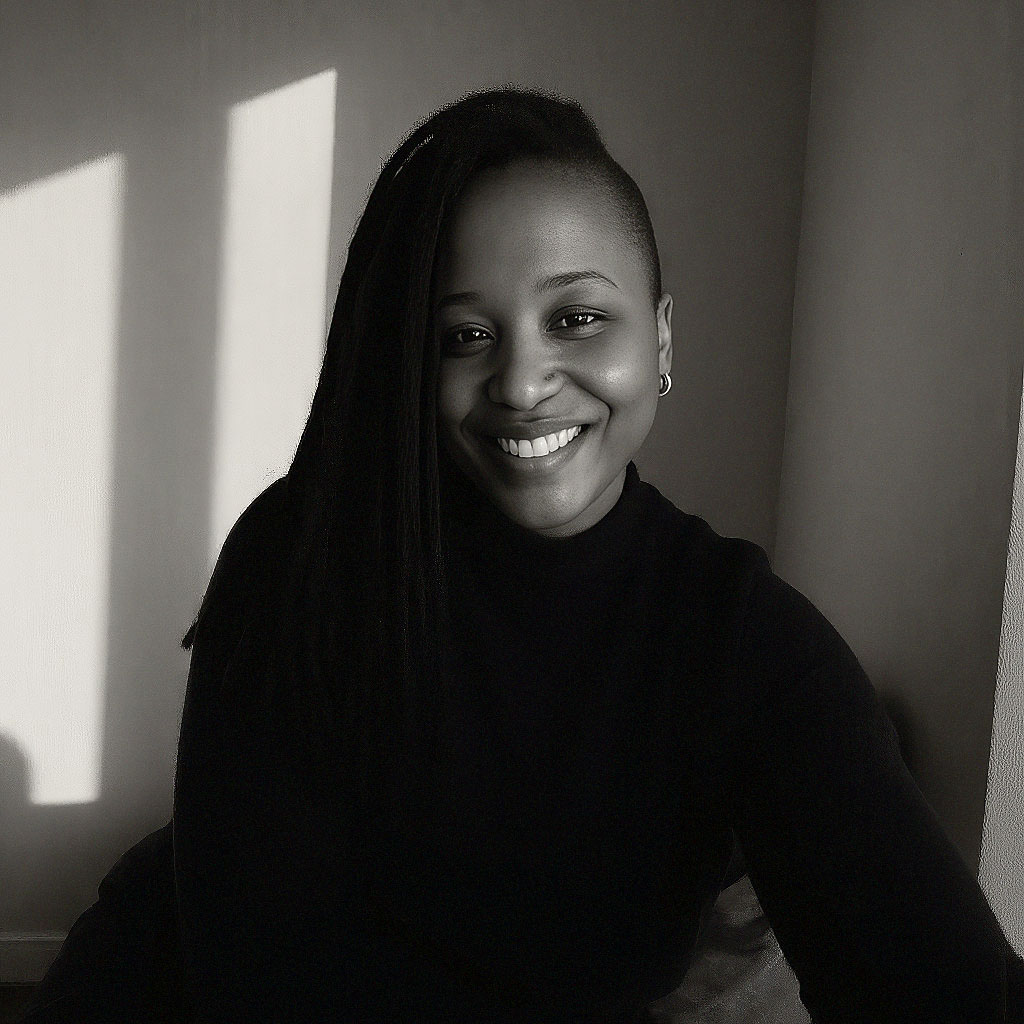
Before returning fully to psychiatry, I built a portrait studio.
Through the camera lens, I witnessed something I have never forgotten: women who carried enormous strength in their daily lives would — briefly, in front of the lens — allow themselves to soften. They saw themselves differently.
Not as providers, leaders, mothers, or daughters.
As whole women.
That experience deepened my understanding of identity.
Sometimes clarity begins when you see yourself outside the roles you have been required to play..


Beyond My Practice

When I’m not in session, you’ll often find me behind a camera, sketchbook in hand, or savoring quiet moments with my family.
Creativity is how I listen.
It has taught me to slow down.
To notice nuance.
To see what others overlook.
Credentials & Professional Formation
Credentials & Leadership
Board-Certified Psychiatric Mental Health Nurse Practitioner (PMHNP-BC)
American Nurses Credentialing Center (ANCC)
Doctor of Nursing Practice (DNP) Candidate, Nurse Leadership
Radford University College of Nursing
Graduate Certificate, Psychiatric–Mental Health Nurse Practitioner
Chamberlain University
Advanced training in psychopharmacology, psychotherapy integration, and trauma-informed care.
Master of Science in Nursing (MSN)
University of Arizona
Bachelor of Science in Nursing (BSN)
University of the Virgin Islands — St. Thomas
Rooted in community-centered, culturally grounded care.
Leadership & Service
Director of Hospice Care (2021–2024)
Led interdisciplinary teams in person-centered end-of-life care.
U.S. Army National Guard Sergeant (8 Years of Service)
Combat-deployed. Mission-driven leadership grounded in resilience, structure, and accountability.
Adjunct Nursing Professor (2019–2021)
Mentored emerging clinicians in advanced psychiatric and compassionate care.
Advanced Specialization
Specialization in Integrative Psychiatry, Anxiety, Depression and Mood Disorders
Specialization in Self-Knowledge Through Photography
Certificate in Women’s Entrepreneurship — Cornell University
My education and experience inform my work. So do the questions I have carried as a Caribbean woman, a mother, and a member of a family learning to make sense of mental illness.

Explore the Depth Notes Journal
Stay connected for new essays and educational resources
A Different Kind of Psychiatry
Rooted in Depth, Culture, and Care.
Join the Depth Notes Journal
Thoughtful essays and updates on what families carry between generations, and how development, culture, and psychiatry can help us understand it.
For the high-achieving multicultural woman carrying her family’s past, and shaping its future.