
Depth Notes
Reflections on psychiatry, identity, cultural resilience,
and the interior lives of high-achieving women.
It begins with a guide
DepthWorks Psychiatry integrates narrative reflection, visual awareness, and nervous-system-informed care to help high-achieving women understand not only their symptoms, but the identity structures beneath them.
These guides offer a glimpse into that approach.
Not therapy. Not diagnosis.
But a structured opportunity to see yourself with greater clarity.
The Identity Reflection Guide explores the survival roles beneath anxiety, perfectionism, and hyper-responsibility.
The Visual–Narrative Reset uses photography and story to illuminate how you function under pressure, and who you may be ready to become.
Begin with either.
Each is a thoughtful entry point into the DepthWorks lens.

When Success Hurts: How Trauma Hides Behind Overachievement and Insomnia in Bicultural High-Performers
When Success Hurts: How Trauma Hides Behind Overachievement and Insomnia in Bicultural High-Performers
If you were raised between cultures, you probably learned early how to adapt, how to read the room, switch codes, and outwork uncertainty.
You became fluent in performance.
On paper, you’re thriving. In private, you can’t sleep.
Your mind spins long after midnight, not with creative ideas, but with contingency plans. You replay conversations, rehearse next steps, and calculate whether you’ve done enough to stay safe, respected, and relevant.
For many bicultural high-performers, especially women who are the first, the only, or the ones who carry entire families forward, that sleepless ambition isn’t just drive.
It’s a nervous system still running from something.
1️⃣ The Hidden Cost of Thriving
When you grow up straddling cultures, belonging is often conditional. Success becomes the bridge between worlds, proof that you’ve made the right sacrifices.
But what happens when achievement itself becomes a survival strategy?
Trauma isn’t always loud. Sometimes, it’s the quiet tension of being the "only one." The interpreter. The hope-holder. The one who can’t afford to crumble.
It's the subtle inheritance that worth must be earned through excellence.
So you adapt. You over-deliver. You shine.
But your body never stops scanning for threat.
What the world praises as "ambition" may actually be your nervous system whispering: stay alert, stay safe.
2️⃣ Trauma in Disguise: When Drive Becomes Armor
From a psychiatric lens, this is classic hyperarousal, a nervous system in survival mode. But in high-functioning, bicultural women, it often gets rebranded as work ethic.
You say you’re just wired this way.
You call it passion.
You wear exhaustion like honor.
But what if your drive is actually your armor?
Intergenerational trauma, from migration, loss, or cultural erasure, can leave physiological imprints.
Stress responses get passed down.
What kept your parents or grandparents alive might be keeping you from rest.
3️⃣ The Bicultural Burden: Two Cultures, One Nervous System
To live between cultures is to constantly shape-shift.
From one side, you’re told: Work twice as hard to prove you belong.
From the other: Be grateful. Don’t waste the sacrifice.
This double bind creates chronic pressure.
You’re always performing. Never arriving.
And rest starts to feel... unsafe.
Insomnia, in this context, isn’t just a sleep issue.
It’s your body saying: We’re not safe enough to stop.
This is not dysfunction, it’s adaptation.
But it’s no longer serving you.
4️⃣ When Drive Turns Against You
In clinical practice, we see this often: accomplished women who describe themselves as "motivated," but whose symptoms tell a deeper story.
Racing thoughts
Irritability
Inability to sit still
Decreased need for sleep
It’s not quite mania — but it’s not rest either.
It’s productivity as protection.
And the result?
You keep achieving.
But the joy never lands.
The inbox is full.
The soul is quiet.
Without healing, this drive can lead to burnout, depression, or treatment-resistant insomnia.
Not because you’re weak, but because your nervous system was never taught how to feel safe in stillness.
5️⃣ The Healing Paradox: Unlearning the Hustle
Healing doesn’t mean giving up your ambition.
It means reclaiming your agency.
It’s asking:
What am I protecting by staying busy?
What would it cost me to stop?
Who might I disappoint if I choose peace over performance?
In therapy, we often shift the focus from success to safety.
That’s when true healing begins.
Trauma-informed care to address hypervigilance
CBT-I to support restorative sleep
Mindfulness and somatic practices to rewire calm
In some cases, tools like ketamine or TMS to reset the nervous system
I once heard this from a psychiatrist:
“In treatment-resistant depression, the goal isn’t to push harder, it’s to stop fighting the wrong battle.”
6️⃣ Rest as Resistance
For bicultural women, physicians, creatives, matriarchs - rest isn’t laziness.
It’s liberation.
It’s the radical act of saying:
I no longer need to prove that I belong.
Many of our most driven friends aren’t addicted to work, they’re allergic to stillness.
The real work is teaching the body that stillness is safe.
Rest isn’t the opposite of success.
It’s the foundation of sustainable power.
7️⃣ What Recovery Looks Like
Recovery doesn’t mean doing less.
It means doing from safety, not fear.
You start sleeping, not from exhaustion, but trust.
Your goals still matter, but they don’t define your worth.
You finally feel the difference between surviving and living.
✳️ A Reframe for the Alpha Matriarch
If you see yourself in this, the overachiever, the pillar, the night thinker - know this:
Your drive isn’t the problem.
It’s the adaptation.
Overachievement and insomnia aren’t flaws.
They’re signals. Invitations.
The work isn’t to lose your edge.
It’s to sharpen it in peace.
Because when you finally rest, not from burnout, but from knowing you’re safe,
your success will feel softer, fuller, and finally… yours.
🪶 Final Reflection
Trauma doesn’t always show up as breakdown.
Sometimes, it shows up as brilliance that won’t turn off.
The goal of healing isn’t to dim your light.
It’s to let it shine without burning you alive.
Rest isn’t a threat to your identity.
It’s how you return home to yourself.


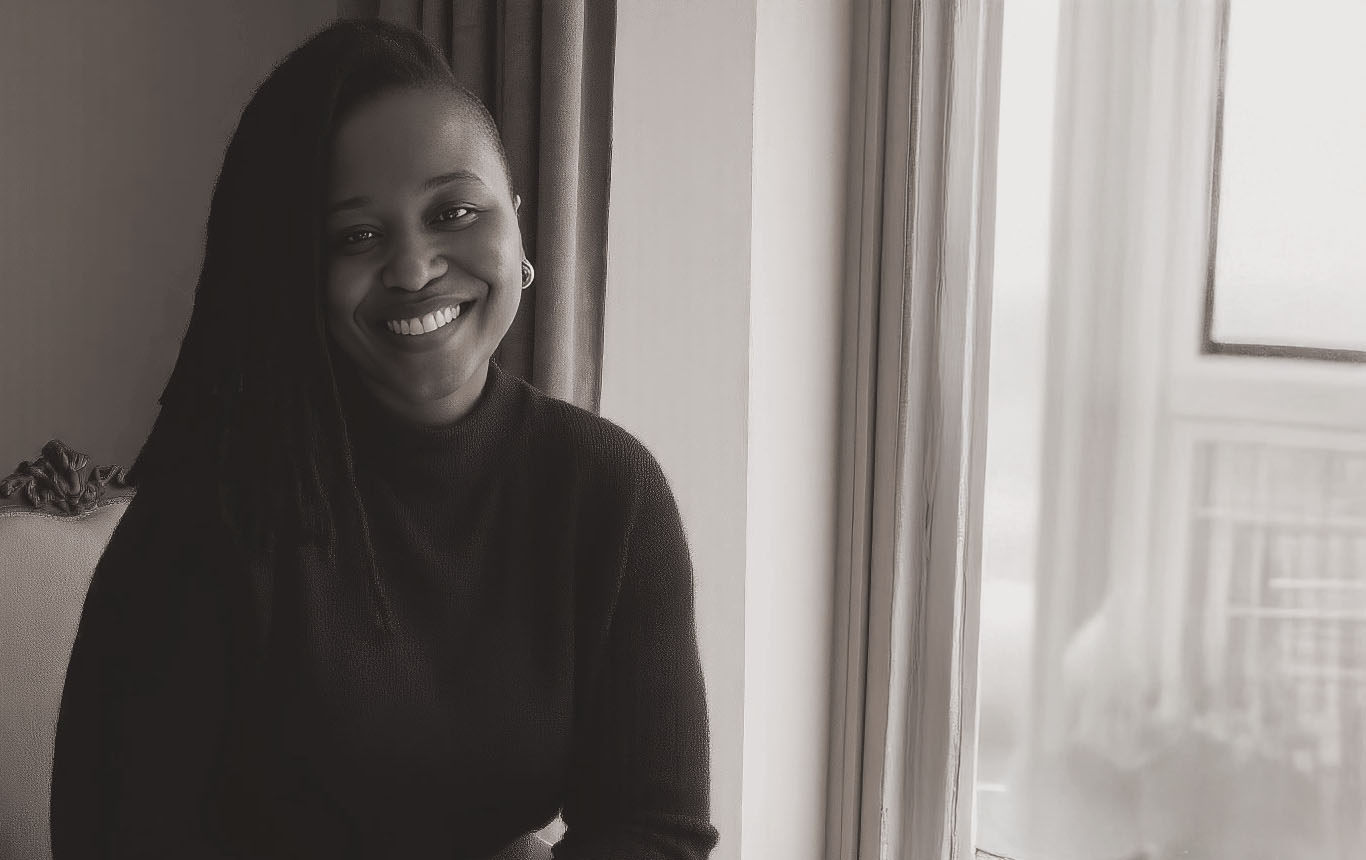
ABOUT ME
I’m Patria Alexander, PMHNP-BC, an integrative psychiatric nurse practitioner - providing psychiatric care with depth.
My work honors both science and story. I believe psychiatric care should respect your culture, your legacy, and the responsibilities you carry, not reduce you to a diagnosis.
In our work together, we move beyond symptom management to restore clarity, steadiness, and self-trust, through precise medication management, narrative reflection, and culturally grounded practice.
This is care designed for women who are used to being strong, and are ready to be supported.
Join Depth Notes

Thoughtful reflections on identity, resilience, mood, and midlife transitions for women navigating complexity with competence.
Forthcoming Offerings
Curated Identity Galleries
Thematic visual explorations designed to deepen reflection, legacy awareness, and self-perception.
The Legacy & Leadership Program
A guided experience for mothers seeking to cultivate emotional intelligence, steadiness, and resilience within their families.