Welcome to DepthWorks Psychiatry
Where science meets story.
Where medication meets meaning.
An integrative psychiatry practice that helps women heal through creativity, ritual, and narrative.
I help high-functioning women who feel anxious, exhausted, and disconnected
find peace and balance.
How? Together, we combine integrative psychiatry with phototherapy, narrative therapy, and ritualized practices that honor your whole story, not just your symptoms.
Welcome to DepthWorks Psychiatry
Where science meets story.
Where medication meets meaning.
An integrative psychiatry practice that helps women heal through creativity, ritual, and narrative.
I help high-functioning women who feel anxious, exhausted, and disconnected
find peace and balance.
How? Together, we combine integrative psychiatry with phototherapy, narrative therapy, and ritualized practices that honor your whole story, not just your symptoms.
DEPTHWORKS · INTERGENERATIONAL PSYCHIATRY
You come from women who held everything.
Nobody held them.
Comprehensive Psychiatric care for women, mothers, and the children they are raising. I treat what you are carrying now, and what was handed down long before you.
Explore the stories and questions behind DepthWorks.
What gets passed down
Some things come down the line on purpose. A recipe. A prayer. The way your grandmother hummed while she worked.
Other things come down without anyone choosing them. The worry that never switches off. The silence after something hard. The rule that you don’t rest until everyone else is fed.
Children learn how to feel by watching the women who raise them. So healing never belongs to one person. When a mother gets well, something shifts for every generation that comes after her.
That is the work here.
Care for every season of a woman’s life, and the children in it
Girlhood. Teen girls whose moods rise and fall with their cycles. The anxiety she hides behind good grades. The sadness she doesn’t have words for yet.
Womanhood. Anxiety. Depression. Burnout. Trauma. Sleep that won’t come. The ADHD no one noticed because you kept getting everything done.
The change. Perimenopause and menopause, when your mood shifts and no one connects it to your hormones.
Your children. Care for children 6 to 12 and teens 13 to 17. Anxiety, ADHD, mood, behavior, and the hard questions parents carry alone. You are part of the plan, never left in the waiting room.

How I Work
Depth before speed. Safety before intensity. Meaning alongside medication. Dignity at every step.
Time. Your first visit is 90 minutes. Your story is not a checklist.
The whole picture. Hormones, labs, sleep, family history, culture, faith. Everything that shapes how you feel gets a seat at the table.
More than a prescription. Medication when it helps. Nutritional and plant-based support where the evidence is strong. Narrative and visual reflection to help you understand the story beneath the symptoms.
What DepthWorks follows across generations
WHAT WE INHERIT
Family roles, beliefs, fears, histories, expectations, cultural rules, and meanings that reach us before choice.
WHAT WE CALL IT
The language families use for distress, difference, illness, strength, weakness, behavior, and psychiatric symptoms.
WHAT WE CARRY
Grief, shame, responsibility, migration, vigilance, duty, scarcity, survival strategies, and unfinished stories.
WHAT WE REPEAT
Patterns of love, conflict, achievement, caregiving, avoidance, silence, parenting, and help-seeking.
WHAT WE REPAIR
What becomes possible through language, treatment, apology, boundaries, new understanding, and relational repair.
WHAT WE CHOOSE TO PASS ON
The culture, values, resilience, stories, love, and ways of relating we deliberately want the next generation to receive.
Explore DepthWorks
Read
Essays and Depth Notes on family meaning, culture, psychiatry, memory, and what moves between generations.
see
Photography and visual stories about inheritance, family archives, migration, identity, silence, and memory.
explore
Guides, frameworks, and resources for examining intergenerational patterns more deeply.
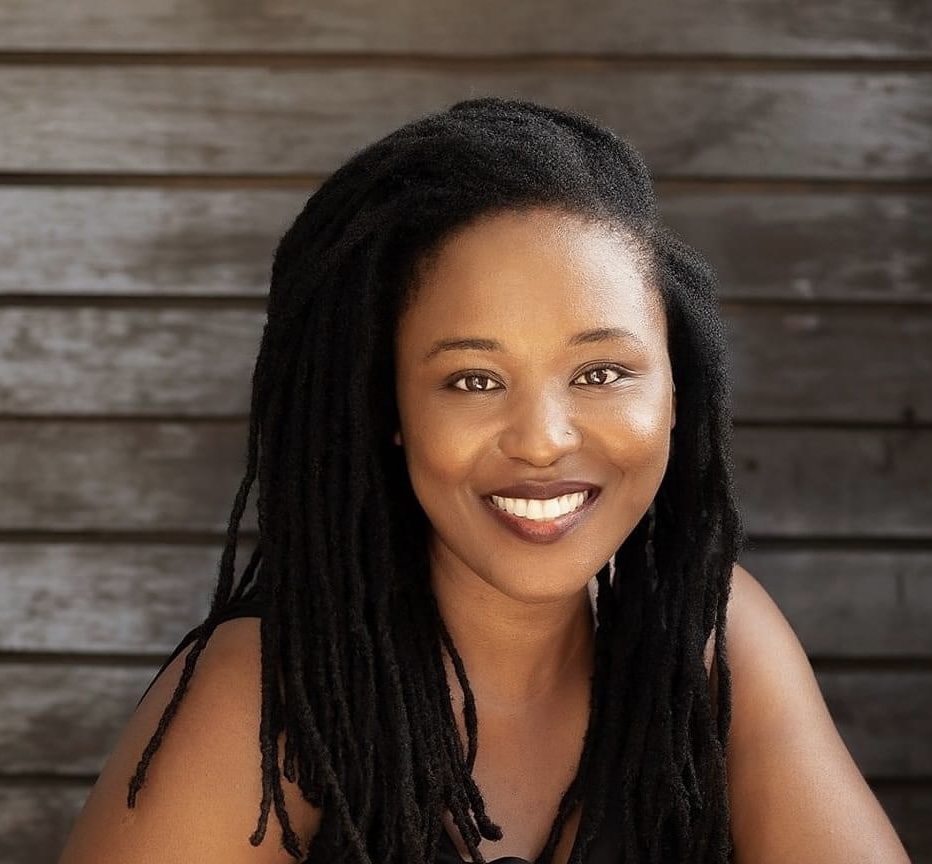
I'm Patria Alexander
I’m a board-certified Psychiatric-Mental Health Nurse Practitioner and the creator of DepthWorks.
I built DepthWorks for Women, Mothers. For their daughters. For the children those daughters are raising now.
My work examines mental health patterns that moves between generations psychologically, relationally, culturally, and psychiatrically.
I’m interested in the places where clinical language meets family language, where a diagnosis meets a family story, where culture shapes what distress means, and where one generation begins to understand differently what another learned simply to live with.
DepthWorks brings those questions together through care, intergenerational psychiatry, writing, research, photography, and visual storytelling.
Go deeper into one question.
DepthWorks Guides are structured explorations of the patterns, meanings, and family stories that move across generations.
COMING SOON
Questions you may
be holding.
What is Intergenerational Psychiatry?
It’s a way of considering how mental health is shaped across generations. At DepthWorks, I explore family history alongside development, relationships, culture, and individual experience. What runs in a family can raise useful questions, but it does not determine anyone’s diagnosis or future.
Who is DepthWorks for?
I’m speaking especially to the bicultural or diaspora woman who is used to being the strong one. You may be thinking about your mother, raising a child, or noticing which parts of your family’s story you want to carry forward.
What kinds of resources will be available here?
You can read essays and reflections. I’m also developing educational resources that may include downloadable guides, webinars, and courses. I’ll share details when each offering is ready.
How can I stay updated?
Subscribe to the DepthWorks email list for new writing and updates about upcoming resources.

STAY CONNECTED
Join the waitlist and be the first to know when appointments open.
Mental health isn't something you have. It's something you live.
Thoughtful essays and updates on what families carry between generations, and how development, culture, and psychiatry can help us understand it.

Intergenerational Psychiatry: What Do Families Pass Down Besides Genetics?
What do families pass down besides genetics? Explore how mental health, coping, culture, relationships, beliefs, and family stories can move between generations. ...more
Adult Mental Health ,Child and Adolescents Mental Health
September 06, 2026•10 min read
What Does It Mean to Feel Psychologically at Home?
What happens when home is no longer one place? Explore migration, bicultural identity, belonging, and what it can mean to become psychologically at home while carrying more than one world. ...more
Adult Mental Health ,Child and Adolescents Mental Health
September 01, 2026•11 min read

Acculturative Stress: The Work Nobody Sees
Acculturative stress is the invisible work of learning to live in a new culture. A Caribbean psychiatric NP explores migration, grief, identity, and the difference between distress and disorder. ...more
Adult Mental Health
August 24, 2026•8 min read


For the high-achieving multicultural woman carrying her family’s past, and shaping its future.