What the Imperfect Image Knows
I used to chase the clean shot.
In my portrait studio years, I wanted the light precise, the focus sharp, the subject entirely visible. I thought technical excellence was the point. I would edit toward clarity, cropping out anything that confused the frame. What I was doing, I understand now, was trying to control what the image said about the person in it. I was making them legible. Neat. Knowable.
And the photographs were beautiful. They just weren't always true.
I have been thinking about the photographer Knud Erik Ladefoged and the way his work changed as his life did. He began leaning into the very things I was trained to eliminate: condensation on glass, soft diffused light, subjects that blur at the edges, details that refuse to resolve. Technically imperfect images that are, somehow, more emotionally honest than anything crisp and controlled. His life shifted. And in response, his eye shifted. He stopped trying to make the image make sense and started letting it carry what it actually felt.
I recognize that movement. I have lived it.
When Life Changes, the Eye Changes
My photography changed before I fully understood why. Somewhere between building a psychiatric practice, beginning a doctoral program, being a wife, raising a son, and carrying the weight of a clinical schedule that asks me to hold other people's most private pain with steadiness and care, my relationship with the camera quietly transformed. I stopped wanting to capture the perfect portrait. I started wanting to capture what was actually there.
There is something Ladefoged understood that I had to learn the harder way: the visual obstacle is not the enemy of meaning. Sometimes the obstacle is where the meaning lives.
The Clearest Picture Is Not Always the Most Accurate One
I think about this in my clinical work constantly.
A woman who presents with textbook anxiety symptoms - sleep disruption, racing thoughts, and hypervigilance, can receive a technically correct diagnosis and still go home misunderstood. Because the anxiety is also carrying her mother's silence. And the silence is carrying a migration. And the migration is carrying a whole island of expectations about what a strong woman does not say out loud. None of that appears on the intake form. None of it is visible in the clear light of a standard clinical encounter.
You have to be willing to let the image be soft. To hold the ambiguity long enough for the real picture to develop.
That willingness is what my life has made of me. Not through a conscious decision but through accumulated pressure and love and loss and the particular demands of being a prescriber, a student, a mother, a wife, a woman from the island - Dominica, who carries two vocabularies and is always translating between them. My life became more complex and my eye became more patient. These are not coincidences.
What the Camera Records
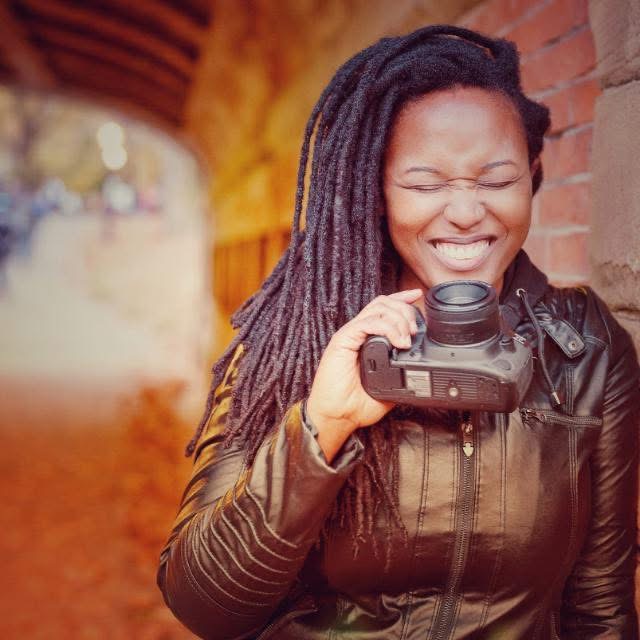
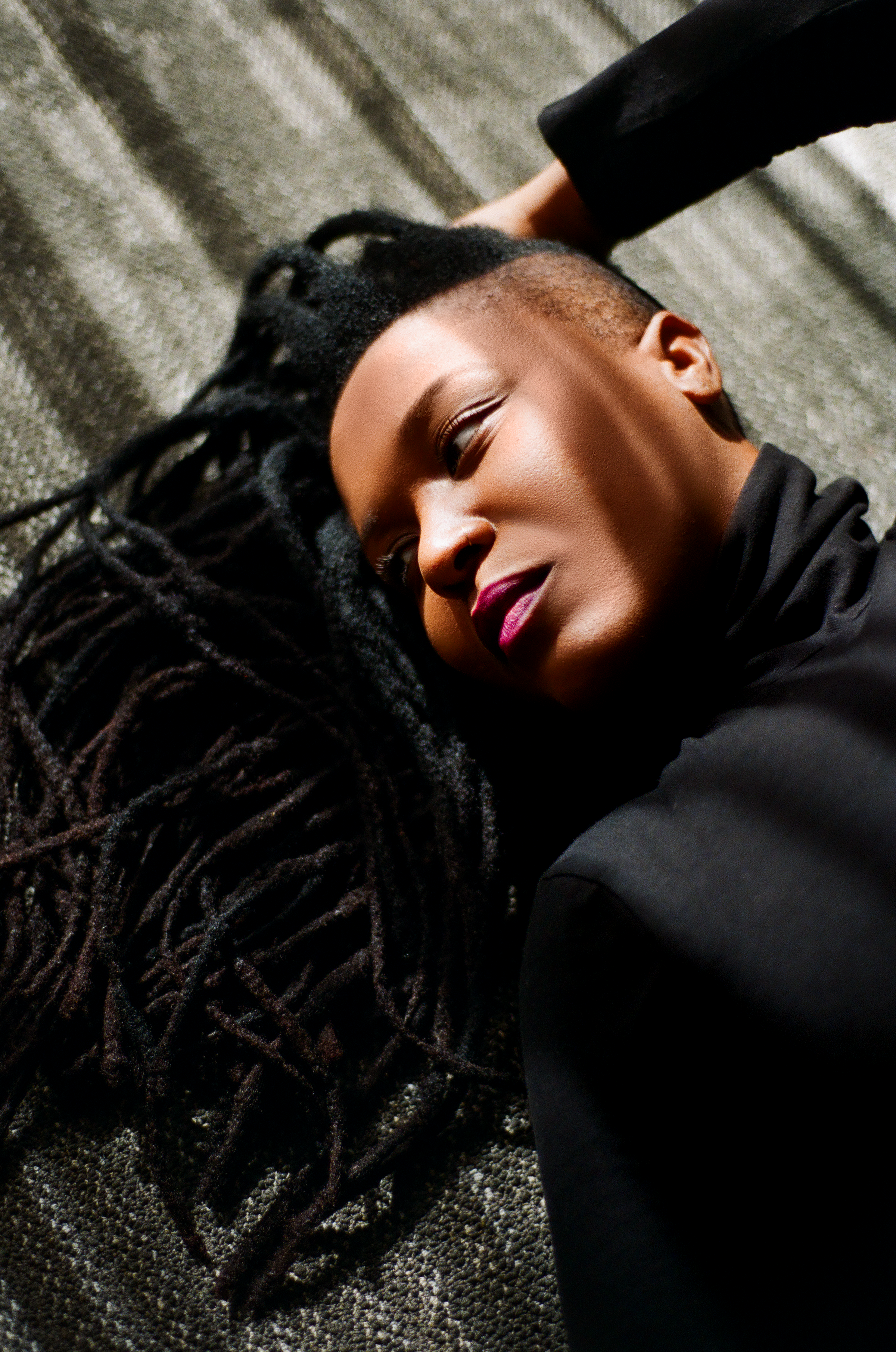
I shoot with a Fujifilm XT1. It is not a clinical instrument. But the way I use it now is. I am looking for the moment before the pose. The face that hasn't decided what to show yet. The condensation. The soft edge. The thing that would be cropped out in the name of a better image but is actually the whole point.
This is what I am doing in an appointment room too. I am looking for what is soft, unclear, not quite in focus yet. The symptom that doesn't fit the pattern. The moment of hesitation before the answer. The feeling underneath the clinical language a patient has learned to use because they know it will be understood. I am not trying to make the picture crisp and clean and diagnosable in the first twenty minutes. I am trying to let it be complicated long enough to become true.
Major life changes, Ladefoged teaches, should transform your photographic approach. Not occasionally. Not dramatically. Quietly, continuously, in response to what living actually asks of you. The demands on your attention change. The light changes. The pace at which you are willing to stand still changes. And the camera, if you let it, records all of that.
I am slower now than I was in the studio. I am more interested in what is partially hidden than in what is fully visible. I am less certain that clarity is always the goal, in the image or in the session.
What I know is this: the technically perfect photograph can be emotionally empty. And the image with condensation on the glass, light that blurs the edges, a subject caught mid-movement, incomplete and uncertain and therefore somehow more itself — that image can hold something true that the perfect one cannot touch.
This is what I bring to the clinic. Not the clean shot. The willingness to hold the soft light long enough for something real to appear.
DepthWorks Psychiatry offers telehealth psychiatric care across Virginia, specializing in anxiety, burnout, trauma, and hormonal mood disorders in high-achieving women. To schedule a consultation, visit https://depthworkspsychiatry.com/request-consultation.